[vc_row][vc_column width=”1/4″][vc_single_image image=”6032″ alignment=”center” img_size=”350×350″][/vc_column][vc_column width=”3/4″][vc_column_text]The Certified Forensic Interview (CFI) program was created by the International Association of Interviewers (IAI) to raise the level of professionalism of every individual and organization involved in the interviewing field. The Certified Forensic Interviewer examination was developed by more than 40 leading professionals, including interview experts, law enforcement and corporate representatives. Each member of the development team used their expertise to make sure the CFI examination addressed the core skill sets identified during extensive surveying of public and private sector interviewers and interrogators.
The objective of this certification program is to create comprehensive, universally accepted professional standards combined with an objective measure of an interviewer’s knowledge of those standards. The ultimate goal is that every person and every organization with a stake in interviewing will benefit from the program, as will the reputation and effectiveness of the entire profession.[/vc_column_text][/vc_column][/vc_row][vc_row][vc_column]
[/vc_column][/vc_row][vc_row][vc_column width=”1/4″][/vc_column][vc_column width=”1/4″][vc_button title=”CFI Prep Seminar” href=”https://www.w-z.com/training-schedule/?s_division=-&s_course=31&s_instructor=&s_state=&s_month=” color=”#4885bf”][vc_empty_space][/vc_column][vc_column width=”1/4″][vc_button title=”CFI Study Materials” color=”#4885bf” href=”https://www.w-z.com/cfi-study-materials/”][/vc_column][vc_column width=”1/4″][vc_button title=”CFI Recertification” font_color=”#ffffff” color=”#4885bf” href=”http://certifiedinterviewer.com/cfi-certification/recertification-toolkit/”][/vc_column][/vc_row][vc_row][vc_column][vc_separator color=”blue”][/vc_column][/vc_row][vc_row][vc_column width=”3/4″][vc_column_text]Founded by the developers of the Certified Forensic Interviewer (CFI) designation, IAI takes the skills and insights of the professional interviewer to a whole new level by providing a wide range of essential members-only offerings previously only available for CFIs. This is a great way to become part of a group that is focused on Interviewing if you don’t yet qualify to become a CFI.Knowledge is power. That is why the time is right to join IAI – the only association focused on the unique needs of Interviewers and Investigators.[/vc_column_text][/vc_column][vc_column width=”1/4″][vc_single_image image=”8767″ img_size=”350×350″][/vc_column][/vc_row][vc_row][vc_column width=”1/4″][/vc_column][vc_column width=”1/4″][vc_button title=”International Association of Interviewers” href=”https://www.w-z.com/training-schedule/?s_division=-&s_course=31&s_instructor=&s_state=&s_month=” color=”#4885bf”][/vc_column][vc_column width=”1/4″][/vc_column][vc_column width=”1/4″][/vc_column][/vc_row][vc_row][vc_column][vc_separator color=”blue”]
[/vc_column][/vc_row][vc_row][vc_column][vc_tour][vc_tab title=”CFI Exam Format” tab_id=”1485645163409-2-7″][vc_column_text]The examination is based upon 15 major content areas. Each of the content areas is briefly described and followed by an outline of the topics included in the area. In addition, the number of test items devoted to each major content area is noted. The examination is composed of 160 items. (140 scored items, 20 research items) Performance on the research items do not affect your score. The research items are not identified.| 1. Preparation and Interview Setting | (12 Questions) |
| 2. Legal Aspects | (13 Questions) |
| 3. False Confessions | (6 Questions) |
| 4. Interpretation of Behavior | (15 Questions) |
| 5. Accusations | (8 Questions) |
| 6. Showing Understanding/Rationalization/Themes | (9 Questions) |
| 7. Assumptive Question | (6 Questions) |
| 8. Enticement Question/Baiting Question | (6 Questions) |
| 9. Denials/Backing Out | (12 Questions) |
| 10. Statements | (10 Questions) |
| 11. Telephone Interview | (7 Questions) |
| 12. Fact Gathering/Cognitive Interviews | (12 Questions) |
| 13. Sexual Harassment Interviewing | (8 Questions) |
| 14. Behavioral Interviews | (8 Questions) |
| 15. Field Interviews | (8 Questions) |
| 140 Total Questions |
A number of categories overlap into other areas. There are 3 types of questions asked on the exam (Recall, Application & Analysis). A 95 raw score (69.5%) is the cut score to earn the CFI designation.
[/vc_column_text][/vc_tab][vc_tab title=” CFI Prerequisites” tab_id=”1485645181161-3-7″][vc_column_text]Applicant experience must meet one of the four following criteria listed below, as well as two to four years in a public or private position responsible for investigations, interviewing or interrogation. Experience as a full-time faculty member at an accredited educational institution teaching interview and interrogation techniques shall meet one of the three education/experience requirements listed below.
For further information regarding the CFI exam and to submit an application:[/vc_column_text][vc_button title=”Click Here” position=” tac” target=”_blank” href=”http://certifiedinterviewer.com/cfi-certification/” color=”#4887bf”][/vc_tab][/vc_tour][/vc_column][/vc_row][vc_row][vc_column][/vc_column][/vc_row]
[vc_row][vc_column]
[/vc_column][/vc_row][vc_row][vc_column width=”1/3″]Beginning a conversation with a confrontation almost always results in an emotional denial by the subject. From a guilty subject the denial is a lie, and from an innocent subject the denial stems from fear of being disbelieved. Either way, the conversation has begun with emotional pressure on the subject resulting in an adversarial relationship with the interviewer. A more effective way to identify the truth is through a variety of non-confrontational techniques that allow the conversation to remain cordial without pushing the subject into an emotional or defensive state.
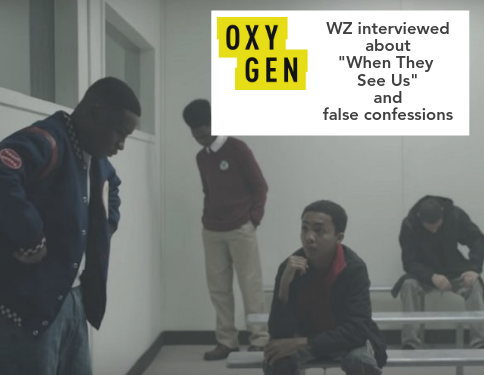
Our focus is on providing investigators with methods that are aimed at identifying the truth and obtaining reliable information through ethical, moral and legally acceptable techniques. This focus has been supported by multiple non-confrontational methods taught to our attendees for the past 35 years. The high risk of false confessions, potential for incorrect or unreliable information, and ultimately the misapplication of confrontational techniques are all reasons why WZ has chosen to no longer offer the confrontational approach in its course selections.
The goal of any interviewer should be to identify the truth. Unfortunately, investigators have sometimes felt pressure to obtain a confession or may have biases based on the investigation that direct their focus on the wrong subject. Our mission at WZ is to provide investigators with a variety of tools to obtain truthful, reliable information as a part of their investigation. WZ is also dedicating time during training to discuss precautions for investigators to take in an effort to prevent false confessions and ultimately substantiate any admissions made by the subject.